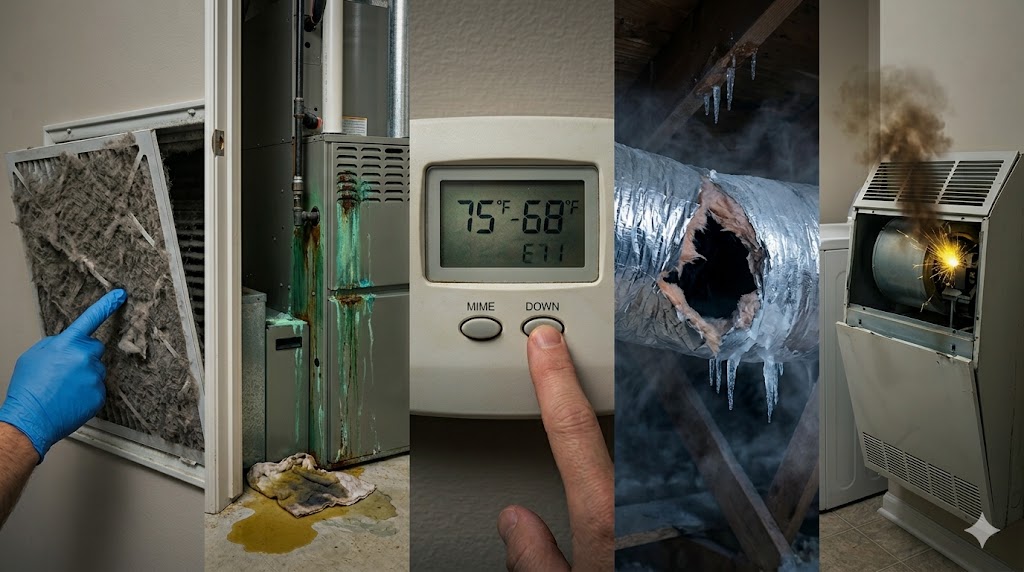
Recognising HVAC failure early helps maintain comfort, indoor air quality, and energy efficiency. This article highlights five common warning signs, basic troubleshooting steps, and when to call a professional, so you can address problems before they become costly.
Research shows HVAC faults are widespread and materially affect energy use and indoor comfort.
HVAC System Faults: Energy, Comfort, and Detection
Most heating, ventilation, and air-conditioning (HVAC) systems contain multiple faults that can cause penalties to energy use, thermal comfort, or indoor air quality. Hundreds of fault detection and diagnostics (FDD) algorithms exist, but a common framework to assess and validate those algorithms is lacking. Fault modeling is a key component of such a framework. In general, fault modeling serves two purposes: testing and assessing FDD algorithms, and analysing fault impacts on building energy consumption and occupant thermal comfort.
A critical review of fault modeling of HVAC systems in buildings, Y Li, 2018
The five signs that indicate a home’s HVAC system is failing include:
- Inconsistent Cooling: Rooms that are noticeably warmer or cooler than others often point to blocked ducts, imbalance, or a failing compressor.
- Unusual Noises: Banging, hissing, or clanking usually signal mechanical problems or loose components that need inspection.
- Rising Energy Bills: A sudden or unexplained increase in energy cost can indicate reduced system efficiency from dirty filters, thermostat issues, or other faults.
- Frequent Cycling: Short on/off cycles increase wear and may indicate sizing, thermostat, or control problems.
- Unpleasant Odors: Moldy or burnt smells can indicate contamination or electrical issues and should be addressed promptly.
Next Steps
If you observe any warning signs, act quickly. Recommended actions:
- Contact a Professional HVAC Technician: A technician can diagnose and fix faults safely.
- Schedule Regular Maintenance: Routine service prevents many common failures.
- Consider Early Intervention Benefits: Fixing small problems early often costs less than major repairs or replacement.
HProServe is a professional HVAC service provider specialising in commercial and residential HVAC installation, maintenance, and repair. Their expertise can help you address HVAC issues efficiently.
What Are the Common Signs of HVAC System Failure?
Reduced cooling capacity, unusual noises, inconsistent temperatures, and rising energy bills are common indicators that a system is underperforming. Spotting these signs early enables timely repair and can prevent more serious damage.
How Do Strange Noises Indicate HVAC Problems?
Noises often point to mechanical faults: banging may mean loose parts, while hissing often indicates a refrigerant issue. If sounds persist after a visual check, have a technician inspect the unit.
What Does Poor Airflow Reveal About Your HVAC System?
Poor airflow generally results from clogged filters, duct obstructions, or failing fans. Regular filter replacement and an occasional duct check keep airflow optimal and reduce energy waste.
How Can You Troubleshoot and Diagnose HVAC System Issues?
Follow a few basic checks before calling a technician:
Effective troubleshooting relies on understanding the system’s history, including prior events and interventions.
HVAC Problem History for Troubleshooting
HVAC-related problem records should include the history (for example, what happened, when it happened, why it happened, and what was done) to support efficient troubleshooting.
Leveraging BIM to provide automated support for efficient troubleshooting of HVAC-related problems, S Ergan, 2016
- Check the Thermostat: Confirm settings and batteries; reset if needed.
- Inspect Air Filters: Replace dirty filters; restricted filters reduce airflow and efficiency.
- Examine Ducts: Look for visible leaks or blockages and seal obvious gaps.
If these basic steps don’t help, schedule a professional diagnostic inspection to find hidden faults.
Which HVAC Components Are Most Likely to Fail?
Common failure points include refrigerant lines, compressors, motors, and filters. Routine maintenance extends component life and reduces unexpected breakdowns.
How to Use an HVAC Maintenance Checklist for Early Detection?
Use a simple checklist to stay proactive. Include:
- Regular Filter Changes: Replace filters every 1–3 months depending on use.
- Duct Inspection: Check ducts annually for leaks or blockages.
- System Cleaning: Arrange a professional cleaning at least once a year.
Keeping a routine checklist helps catch issues early and maintain efficiency.
When Should You Seek Professional HVAC Repair Services?
Seek professional help when problems persist after basic troubleshooting, or when you notice persistent noises, unexplained bill increases, frequent cycling, or safety concerns such as burning smells.
What Are the Benefits of Timely HVAC System Inspection?
Timely inspections identify small problems before they become costly, improve efficiency, and extend equipment life. Regular checks also maintain consistent comfort and indoor air quality.
How to Choose Reliable HVAC Repair Services?
Choose providers with proper licensing, insurance, and good customer feedback. Ask about warranties, service guarantees, and experience with systems like yours.
What Are the Next Steps After Identifying HVAC Failure Signs?
After spotting issues, schedule a professional evaluation, weigh repair versus replacement if problems recur, and set up a regular maintenance plan to prevent future faults.
When Is HVAC System Replacement Necessary?
Consider replacement when breakdowns are frequent, efficiency is poor, costs keep rising, or the system is beyond its expected service life (often 15+ years).
How Does Preventive Maintenance Extend HVAC System Lifespan?
Preventive maintenance—inspections, cleaning, and timely filter changes—preserves efficiency, reduces wear, and lowers the chance of major failures.
To ensure reliable operation, consider professional services such as those offered by HProServe for scheduled maintenance and repairs.
Frequently Asked Questions
What should I do if my HVAC system is making strange noises?
Inspect for loose panels or visible issues and check filters; if noises persist, turn the system off and call a technician to prevent further damage.
How often should I schedule HVAC maintenance?
Have a professional service the system at least once a year, ideally before peak heating or cooling seasons. Change filters every 1–3 months.
What are the signs that my HVAC system needs to be replaced?
Frequent breakdowns, rising energy costs, and age (typically 15+ years) are strong indicators that replacement may be more cost-effective than ongoing repairs.
Can I perform HVAC maintenance myself?
Homeowners can change filters and keep vents clear, but leave complex diagnostics and repairs to qualified technicians for safety and proper operation.
What are the benefits of early detection of HVAC issues?
Early detection saves money, preserves efficiency, prevents extensive damage, and often extends equipment life. Regular inspections are key.
How can I improve my HVAC system’s energy efficiency?
Maintain filters, seal ducts, insulate your home, use a programmable thermostat, and consider energy-efficient equipment upgrades when appropriate.
What should I look for when choosing an HVAC service provider?
Verify licensing and insurance, check customer reviews, and confirm experience, clear warranties, and service guarantees before hiring.
Conclusion
Recognizing HVAC failure signs and acting early preserves comfort and reduces costs. Homeowners should address inconsistent cooling, strange noises, and rising bills promptly. Schedule regular maintenance and consult Home Pro Serve professionals to keep your system performing efficiently year-round.ing well year-round.