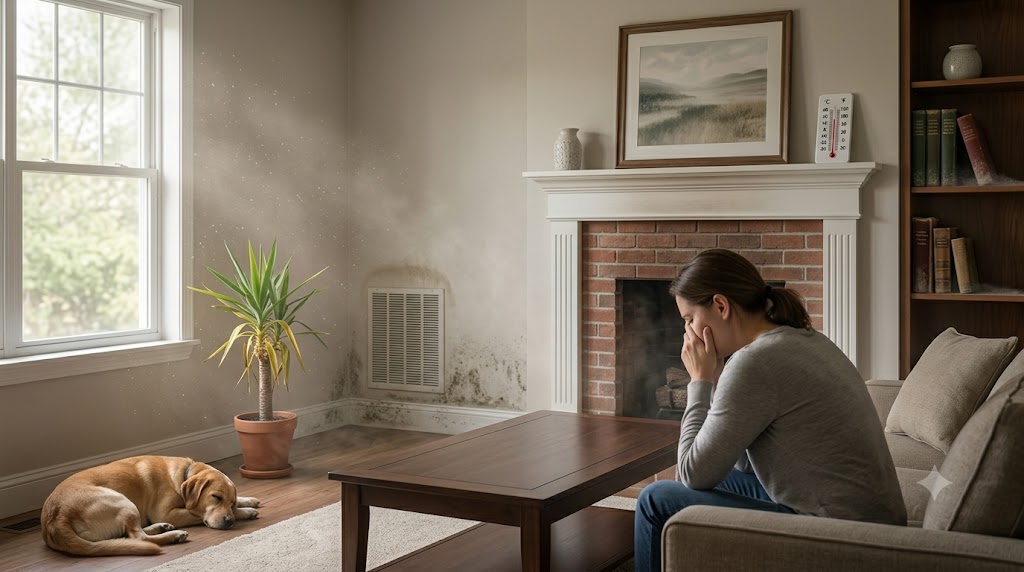
You can’t always see it, smell it, or taste it — but the air inside your home could be silently affecting your health, your comfort, and even the lifespan of your HVAC system. Studies show indoor air can be significantly more polluted than the air outside, largely because homes trap contaminants like dust, mold spores, chemical residue, and allergens without proper ventilation to clear them out.
The tricky part is that poor indoor air quality rarely shows up as one obvious event. Instead, it creeps in gradually through subtle symptoms that are easy to dismiss or blame on something else — seasonal allergies, a common cold, or just “feeling off.” Recognizing the real signs of poor indoor air quality early can help you address the root cause before it turns into a bigger health or home maintenance issue.
In this guide, Home Pro breaks down the seven most common warning signs that your home’s air needs attention, along with what typically causes each one and what you can do about it.
1. Excessive Dust and Allergens Building Up Fast
If you find yourself dusting shelves, furniture, and electronics every few days and they still look coated, that’s not normal — it’s one of the clearest signs of poor indoor air quality. Excessive dust and allergens usually point to one of a few underlying issues:
- A dirty or failing HVAC air filter that isn’t trapping particles effectively
- Leaky ductwork pulling in dust from attics, crawl spaces, or wall cavities
- Poor ventilation that prevents dust and allergens from properly cycling out
- Low-quality or overdue filter replacements
Dust itself is a mix of dead skin cells, pet dander, pollen, fabric fibers, and outdoor particulates that make their way indoors. When your HVAC system isn’t filtering efficiently, all of this recirculates throughout your home instead of being captured and removed. Upgrading to a higher-rated filter and scheduling regular duct inspections can make a noticeable difference within just a few weeks.
2. A Musty, Stale, or Damp Smell
Odors are one of the fastest ways your home tells you something is wrong. A musty or earthy smell — especially in basements, bathrooms, laundry rooms, or near HVAC vents — is a strong indicator of mold and moisture problems indoors. Mold doesn’t need much to thrive: a damp corner, a slow leak, or high indoor humidity is often all it takes.
The tricky part is that mold can grow inside walls, under flooring, or within ductwork long before it becomes visible. If the smell persists even after cleaning and airing out the space, it’s a sign that moisture is trapped somewhere it shouldn’t be, and a professional inspection is the safest next step.
3. Visible Mold, Mildew, or Water Stains
While hidden mold is common, visible mold growth is an unmistakable red flag. Look for:
- Dark spots or fuzzy patches on walls, ceilings, or window frames
- Discoloration around vents, pipes, or under sinks
- Water stains on ceilings or walls, which suggest ongoing leaks
- Peeling paint or bubbling drywall from trapped moisture
Mold and moisture problems indoors don’t stay contained. Once spores are present, they travel through the air and can spread to other rooms, especially if your HVAC system is circulating contaminated air. Addressing the moisture source — not just cleaning the visible mold — is essential to prevent it from coming back.
4. Increased Allergy or Respiratory Symptoms at Home
If your allergies flare up more indoors than outdoors, or you notice more sneezing, coughing, itchy eyes, or sinus congestion while at home, poor air quality is a likely culprit. These are some of the most common signs of poor indoor air quality, particularly when symptoms improve after spending time away from the house.
Common indoor allergy triggers include:
- Dust mites embedded in carpets, upholstery, and bedding
- Pet dander circulating through the HVAC system
- Pollen entering through windows, doors, or poorly sealed vents
- Mold spores from hidden moisture problems
For households with asthma or chronic allergy sufferers, even small improvements in filtration and humidity control can lead to noticeably better breathing indoors.
5. Humidity That Feels Consistently Off
Healthy indoor air typically sits between 30% and 50% relative humidity. When that balance shifts too far in either direction, it creates the perfect environment for other problems to develop.
Too much humidity leads to:
- Condensation on windows and mirrors
- A damp, clammy feeling in the air
- Mold and moisture problems indoors, especially in bathrooms and basements
Too little humidity leads to:
- Dry skin, chapped lips, and irritated sinuses
- Increased static electricity
- Cracking wood furniture or flooring
If you’ve noticed either extreme, it’s often a sign that your HVAC system isn’t properly regulating humidity, which can be resolved with a whole-home humidifier or dehumidifier integrated into your existing system.
6. Unexplained Headaches, Fatigue, or Difficulty Concentrating
Not all signs of poor indoor air quality are physical or visible — some affect how you feel and function day to day. Volatile organic compounds (VOCs) released from paint, furniture, cleaning products, and even air fresheners can build up in poorly ventilated homes, leading to:
- Frequent headaches
- Unusual fatigue or grogginess
- Trouble focusing or “brain fog”
- Mild dizziness or nausea
If these symptoms ease up when you leave the house and return once you’re back, it’s worth investigating your home’s ventilation and air filtration system rather than assuming it’s just stress or lack of sleep.
7. Your HVAC System Struggles to Keep Up
Sometimes the clearest sign is your HVAC system itself. Watch for:
- Uneven temperatures between rooms
- Increased energy bills without a clear cause
- Frequent cycling on and off
- Visible dust or debris around vents and returns
- A system older than 10-15 years with no recent maintenance
An overworked or aging HVAC system often can’t filter and circulate air effectively, which directly contributes to excessive dust and allergens, poor humidity control, and even mold and moisture problems indoors if ventilation is inadequate. Regular maintenance and timely upgrades keep your system working efficiently while protecting your air quality at the same time.
What to Do If You Recognize These Signs
If any of these seven warning signs sound familiar, the next step is getting a clear, accurate picture of what’s actually happening in your home. Guessing at solutions — buying a random air purifier or swapping filters more often — might help slightly, but it won’t address the root cause.
A professional indoor air quality assessment typically includes:
- Inspection of HVAC components — filters, ductwork, and overall system condition
- Moisture and humidity testing — identifying areas prone to mold and moisture problems indoors
- Air sampling — measuring dust, allergens, VOCs, and other airborne contaminants
- Visual assessment — checking for visible mold, water damage, or ventilation blockages
- Customized recommendations — targeted solutions based on your home’s specific issues
This structured approach ensures that whatever solution you invest in — better filtration, duct cleaning, humidity control, or ventilation upgrades — is actually solving the problem you have, not just masking the symptoms.
How Home Pro Can Help
At Home Pro, we specialize in identifying and resolving the root causes behind poor indoor air quality. Our certified technicians go beyond surface-level fixes to give you a complete picture of your home’s air, using proven diagnostic methods and honest, practical recommendations.
When you work with Home Pro, you can expect:
- Thorough inspections that catch excessive dust and allergens at the source
- Expert detection and remediation guidance for mold and moisture problems indoors
- HVAC tune-ups and upgrades designed to improve airflow and filtration
- Humidity control solutions tailored to your home’s specific needs
- Clear, transparent reporting with no unnecessary upselling
We believe healthy indoor air shouldn’t be complicated to achieve — it just requires the right diagnosis and the right fix.
Final Thoughts
Poor indoor air quality rarely announces itself all at once. It shows up gradually — through dust that won’t stay away, a musty smell that lingers, allergy symptoms that flare up indoors, or an HVAC system that seems to be working harder than it should. Learning to recognize these signs of poor indoor air quality early can protect both your health and your home.
If you’ve noticed one or more of these seven warning signs, don’t wait for the problem to get worse. Reach out to Home Pro today to schedule a professional air quality inspection and take the first step toward cleaner, healthier air in every room of your home.
Frequently Asked Questions
How do I know if it’s allergies or poor indoor air quality?
If symptoms improve significantly when you leave your home and return once you’re back inside, indoor air quality is likely playing a role, even during off-allergy seasons.
Can mold grow without a visible leak?
Yes. Mold and moisture problems indoors can develop from condensation, high humidity, or hidden leaks inside walls or under flooring, long before any visible signs appear.
How often should I replace my HVAC filter to reduce dust and allergens?
Most homes benefit from replacing filters every 1-3 months, though homes with pets or allergy sufferers may need more frequent changes.
Is professional testing really necessary, or can I just buy an air purifier?
While air purifiers help, they don’t address underlying issues like duct contamination, hidden mold, or humidity imbalances. Professional testing ensures you’re solving the actual problem, not just filtering symptoms.