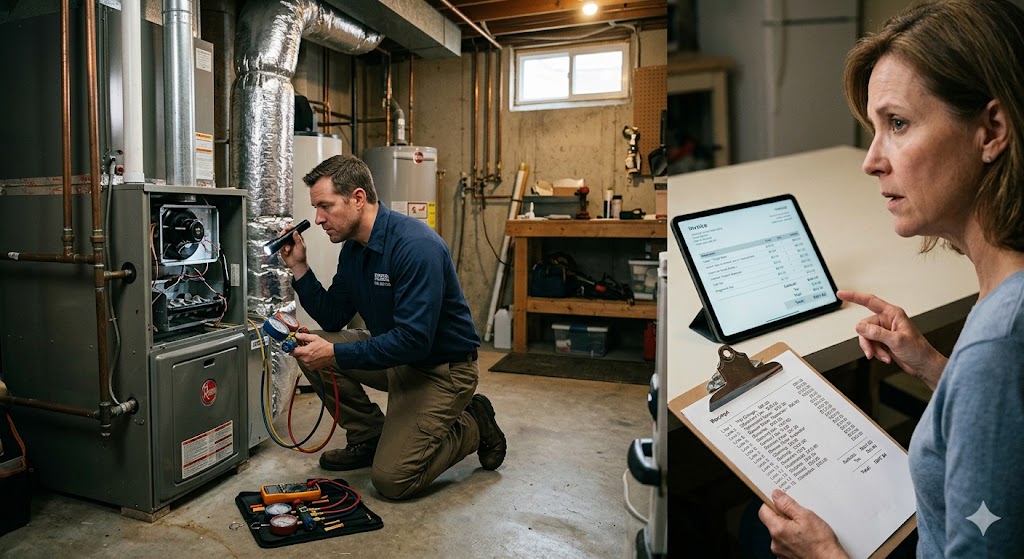
Knowing typical HVAC service costs helps homeowners plan and avoid surprises. This guide summarizes installation, repair, and routine maintenance expenses, highlights the main cost drivers, and offers practical ways to lower bills while keeping comfort and efficiency high.
Comprehensive Guide on Costs Associated with Residential HVAC Services
HVAC costs vary by system type, project complexity, and location. Below we summarize typical installation, repair, and maintenance ranges and explain the key factors that affect price.
1. Installation Costs
Installation pricing depends on the system and job scope. Furnaces generally range from $3,000 to $12,000; air conditioners from $3,500 to $10,000. Adding or repairing ductwork raises total costs.
| Service | Cost Range | Factors Influencing Cost |
|---|---|---|
| Furnace Installation | $3,000 – $12,000 | Type of furnace, home size, and existing ductwork |
| Air Conditioner Installation | $3,500 – $10,000 | System efficiency, brand, and installation complexity |
| Ductwork Installation | Varies | Complexity and length of ductwork needed |
Further research commonly compares initial investment with long-term efficiency and life-cycle costs.
Residential HVAC Life Cycle & Initial Costs Analysis
The study compares the efficiency and life-cycle costs of the ACES with three conventional electric HVAC systems across 115 U.S. cities. It calculates monthly heating, water heating, and cooling requirements for a reference single-family house under average local weather, then computes initial cost and annual energy consumption using 1979 power and equipment costs.
Performance and Economics of the ACES and alternative residential heating and air conditioning systems in 115 US cities, 1981
These ps reinforce the value of getting multiple estimates and matching options to your home’s needs.
2. Repair Costs
Repair costs depend on the fault and system age. Furnace repairs commonly run $150–$800; air conditioner repairs are often $150–$1,500. Older equipment typically requires larger or more frequent repairs.
| Service | Cost Range | Common Issues |
|---|---|---|
| Furnace Repair | $150 – $800 | Ignition problems, blower motor issues |
| Air Conditioner Repair | $150 – $1,500 | Refrigerant leaks, compressor failures |
Knowing typical repair ranges lets homeowners plan an emergency fund and compare quotes effectively.
3. Routine Maintenance Costs
Routine tune-ups cost roughly $100–$300 per visit. Annual checks improve reliability, maintain efficiency, and reduce the chance of larger failures.
| Service | Cost Range | Frequency |
|---|---|---|
| Standard Maintenance Visit | $100 – $300 | Annually recommended |
Regular maintenance often pays for itself by avoiding costly breakdowns.
4. Factors Influencing HVAC Service Costs
Key cost drivers include system age, local labor rates, and the complexity of the installation or repair. Regional pricing and availability of qualified technicians also matter.
- System Age: Older systems usually need more repairs and run less efficiently, increasing lifetime costs.
- Local Market Conditions: Labor and parts prices vary by region and affect final quotes.
5. Tips for Reducing HVAC Costs
Preventive actions and smart purchasing lower both short- and long-term HVAC costs.
- Schedule Regular Maintenance: Annual service reduces breakdown risk and extends equipment life.
- Compare Multiple Estimates: Get several quotes to verify scope and pricing before committing.
- Invest in Energy-Efficient Systems: Higher-efficiency equipment often saves more in energy costs over its lifetime.
These steps make budgeting easier and reduce unexpected expenses.
What Factors Influence Your Residential HVAC Installation Cost?
System type, home size, and installation complexity are primary drivers. Assess these before getting quotes.
How Do Equipment Type and Brand Affect Installation Pricing?
Central air, heat pumps, and furnaces vary in cost; brand and efficiency ratings also affect price and long-term operating costs.
What Role Do Labor and Location Play in Installation Costs?
Labor rates differ by region—urban areas often have higher costs—so factor local prices into your budget.
What Are the Average Prices for Residential HVAC Repair Services?
Repair prices vary with the issue and system type; budget for a range rather than a single fixed price.
Which Common Repairs Impact Your HVAC Repair Costs?
Common costly repairs include blower motor failures, refrigerant leaks, and compressor problems; identifying symptoms early can limit expense.
How Does System Age and Condition Affect Repair Pricing?
Older systems often need more repairs and can be less efficient; weigh repair frequency against replacement cost.
How Is HVAC Maintenance Pricing Structured for Residential Systems?
Maintenance typically covers inspections and tune-ups with set service fees; annual plans often offer better value than one-off visits.
What Are Typical Maintenance Plan Options and Their Costs?
Providers offer scheduled inspections and priority service plans; compare inclusions and costs to find the best value.
How Can Regular Maintenance Save You Money Long-Term?
Regular maintenance prevents major failures, extends equipment life, and reduces energy bills over time.
What Should You Know About Replacing Your Home HVAC System Costs?
Replacement is a sizable investment; account for installation, equipment efficiency, and projected energy savings when deciding.
How Do Energy Efficiency Ratings Influence Replacement Expenses?
Higher-efficiency units have higher upfront costs but lower operating expenses; evaluate long-term savings before choosing.
What Financing and Service Contract Options Are Available?
Many providers offer financing and service contracts to spread costs and add warranty or priority support; review terms carefully.
To keep your HVAC system operating efficiently, consider regular HVAC maintenance. This proactive approach reduces costly repairs and extends equipment lifespan.
Frequently Asked Questions
What are the signs that my HVAC system needs repair?
Watch for unusual noises, uneven temperatures, rising energy bills, frequent cycling, strange odors, or warm air when cooling is expected. Any of these warrants a professional inspection.
How can I choose the right HVAC system for my home?
Base your selection on home size, heating and cooling needs, and budget. A professional load calculation identifies the correct size; compare efficiency ratings and consult a qualified technician.
What maintenance tasks can I perform myself?
Simple tasks include changing or cleaning filters, clearing debris from the outdoor unit, and keeping vents unobstructed. For anything beyond basic upkeep, hire a professional.
How often should I replace my HVAC system?
Most systems last about 10–15 years. If repairs are frequent or efficiency drops markedly, replacement often becomes more economical.
What financing options are available for HVAC services?
Many providers offer payment plans, low-interest loans, or promotions for efficient equipment. Ask about financing when getting quotes to find suitable terms.
How can I improve the energy efficiency of my HVAC system?
Improve efficiency with regular maintenance, clean filters, sealed ductwork, proper insulation, and a programmable thermostat. Upgrading to a higher-efficiency system further reduces energy use.
Conclusion
Understanding HVAC costs empowers you to plan effectively and select efficient, cost‑saving solutions. For expert guidance and to explore tailored HVAC services, contact Home Pro Serve today.