A failed HVAC system creates discomfort and potential safety hazards in commercial settings. This article gives focused emergency steps for safety, basic troubleshooting, and when to call professionals, and it outlines the advantages of 24/7 emergency repair from providers like HProServe.
Immediate Actions to Take:
Act quickly to limit damage and disruption. Start with these concise steps:
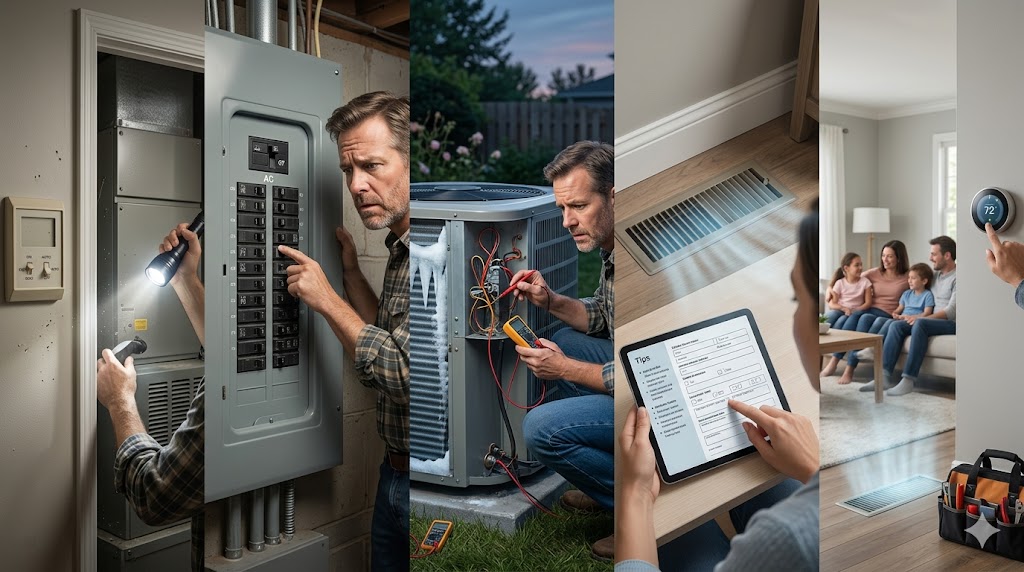
- Identify the Problem: Check for obvious signs—no airflow, unusual noises, leaks, or visible damage.
- Shut Off the System: Power down the unit to prevent further harm if you suspect electrical or mechanical failure.
- Document the Issue: Photograph or note what you observe (noises, error codes, visible defects) for the technician.
- Contact Professional Services: Call a qualified emergency HVAC technician right away.
These actions stabilize the situation while you wait for repair help.
Safety Precautions:
Safety comes first. Use these precautions:
- Avoid DIY Repairs: Untrained attempts can cause injury or worsen damage.
- Ventilate the Area: Open windows or vents if you suspect gas or fumes.
- Check for Carbon Monoxide: If you detect odors or occupants feel unwell, evacuate and test for CO.
- Keep Emergency Contacts Handy: Maintain a list with your HVAC provider, building manager, and emergency services.
Following these steps protects people and limits liability.
Recommendations for Professional 24/7 HVAC Emergency Services:
When selecting emergency service, consider:
- Choose a Reputable Provider: Prefer firms with verified reviews and experience with commercial systems.
- Verify Licensing and Experience: Confirm technicians are licensed and familiar with your equipment.
- Ask About Response Times: Confirm average emergency response and after-hours availability.
- Request a Comprehensive Service: Ensure the call includes diagnosis, temporary fixes if needed, and a plan for permanent repair.
HProServe offers commercial installation, maintenance, and emergency repair services tailored to small and medium businesses.
How Can You Quickly Identify an HVAC Breakdown?
Early recognition speeds response. Key indicators:
- Inconsistent Cooling: Uneven temperatures across zones.
- Unusual Noises: Banging, hissing, or clanking.
- Rising Energy Bills: Sudden cost increases from inefficiency.
- Frequent Cycling: Short on/off cycles indicating control or capacity issues.
Noting these signs helps you give accurate information to technicians.
What Are Common Signs of Commercial HVAC Failure?
Commercial units show similar but often amplified symptoms. Watch for:
- Inconsistent Cooling: Difficulty holding setpoints in large spaces.
- Unusual Noises: Sounds that suggest mechanical failure.
- Rising Energy Bills: Operational cost spikes.
- Frequent Cycling: Repeated short cycles under load.
- Odors: Moldy or electrical smells that require immediate attention.
Early detection reduces repair scope and downtime.
What Immediate Steps Should You Take When Your HVAC Fails?
Quick, focused actions:
- Prioritize Safety: Clear affected areas if there are hazards.
- Contact Emergency HVAC Providers: Call a 24/7 service for urgent assistance.
- Document the Issue: Keep concise notes on symptoms, timing, and any alerts.
These steps preserve evidence and help technicians diagnose faster.
How to Safely Troubleshoot Your HVAC System During an Emergency
Only perform basic, non-invasive checks:
- Identify Symptoms: Look for leaks, tripped breakers, or visible damage.
- Avoid Unsafe Actions: Do not open electrical panels or gas components unless certified.
- Contact Professionals: If unsure, stop and call a technician.
Provide findings to the technician to speed diagnosis.
When and How to Contact 24 Hour HVAC Emergency Repair Services
Call for help when there is complete failure, suspected gas leaks, or safety risks. When you call:
- Identify an HVAC Emergency: Be clear about outages, odors, or safety concerns.
- Effective Communication Tips: Give system type, symptoms, location, and any recent work.
- Service Expectations: Ask about arrival window, possible temporary measures, and cost estimates.
Clear information helps providers respond appropriately.
How Does HProServe Support Urgent Commercial HVAC Repairs?
HProServe offers:
- 24/7 Emergency Service: After-hours response for urgent issues.
- Response Time Within 24 Hours: Prioritized scheduling to reduce downtime.
- Range of Services Offered: Installation, maintenance, and emergency repair capability.
Their approach focuses on fast stabilization and durable repairs.
What Are the Benefits of Using Professional 24/7 HVAC Emergency Repair Services?
Professional emergency service provides:
- Rapid Response: Shorter outages and faster restoration.
- Expert Diagnosis and Repair: Skilled technicians pinpoint root causes.
- Safety Assurance: Proper protocols protect people and equipment.
- Cost Savings: Timely fixes prevent larger failures.
- Energy Efficiency Improvements: Repairs can restore efficient operation.
These benefits support business continuity and budget control.
How Does Rapid Response Minimize Business Downtime?
Fast service lessens operational impact by:
- Response Times: Reducing time without climate control.
- Repair Processes: Using efficient diagnosis and temporary fixes when needed.
- Impact on Operations: Preserving productivity and customer comfort.
Prioritize providers with reliable rapid-response capability.
How Can Preventative Maintenance Reduce HVAC Emergencies?
Regular maintenance cuts emergency risk. Key tasks:
- Regular Inspections: Catch wear and faults early.
- Filter Changes: Maintain airflow and protect components.
- Coil Cleaning: Preserve heat exchange efficiency.
- Refrigerant Checks: Prevent performance loss from leaks or low charge.
Scheduled upkeep reduces surprise breakdowns.
What Maintenance Practices Help Avoid Unexpected Breakdowns?
Implement routine practices:
- Regular Inspections: Periodic checks by a qualified technician.
- Filter Replacement: Replace filters every 1–3 months depending on usage.
- Cleaning Coils: Keep coils free of debris and buildup.
- Checking Refrigerant Levels: Maintain proper charge to avoid strain.
Consistent maintenance keeps systems reliable and efficient.
How Do Service Contracts Support Emergency Preparedness?
Service contracts typically provide:
- Structured Maintenance Schedules: Regular visits to prevent failures.
- Priority Response Times: Faster service for contract holders during emergencies.
- Predictable Maintenance Costs: Easier budgeting and reduced surprise expenses.
Review HProServe’s range of services to match contract options to your needs.
For immediate assistance or more details, contact HProServe.
Frequently Asked Questions
What should I do if my HVAC system is making strange noises?
Turn off the system to avoid further damage, note the noise type and timing, and call a qualified technician. Recording the sound and circumstances helps diagnosis.
How can I prepare for an HVAC emergency before it happens?
Create an emergency contact list, train occupants on safe shutdown procedures, and consider a service contract for routine maintenance and priority response.
What are the risks of attempting DIY HVAC repairs?
DIY work can cause injury, void warranties, and worsen damage. HVAC systems include electrical and gas elements that require licensed technicians.
How often should I schedule HVAC maintenance to prevent emergencies?
Schedule maintenance at least twice a year—before the heating and cooling seasons—and follow technician recommendations for more frequent checks in heavy-use facilities.
What should I expect during an HVAC emergency service call?
A technician will ask about symptoms, inspect the system, diagnose the issue, explain recommended repairs, and provide an estimate or immediate temporary fixes if needed.
Can regular maintenance really save me money on HVAC repairs?
Yes. Routine maintenance prevents small issues from escalating, improves efficiency, and extends equipment life—lowering long-term repair and energy costs.
What are the signs that I need to upgrade my HVAC system?
Upgrade if the unit is old (typically 10–15 years), fails often, incurs high repair costs, delivers inconsistent temperatures, or shows rising energy bills. Modern systems improve efficiency and comfort.
Conclusion
Promptly addressing HVAC breakdowns preserves safety and business operations. Follow the emergency steps above and rely on experienced 24/7 providers such as HProServe to restore service quickly and reliably. Regular maintenance and service contracts further reduce emergency risk and downtime.