Your home’s heating and cooling system works harder than almost any other appliance you own. It runs for hours every single day, quietly keeping your indoor environment comfortable through scorching summers and freezing winters. Yet despite this constant workload, HVAC systems are often the most neglected part of a household — until something breaks down and you’re left scrambling for an emergency repair.
Here’s the truth that many homeowners don’t realize until it’s too late: most expensive HVAC repairs are entirely preventable. A consistent schedule of HVAC maintenance services can catch small issues before they snowball into major, budget-draining problems. At Home Pro, we’ve seen firsthand how a simple HVAC system tune-up can be the difference between a $150 service call and a $5,000 replacement.
In this article, we’ll break down exactly why preventive HVAC maintenance matters, what happens when it’s ignored, and how partnering with a trusted provider like Home Pro can protect both your comfort and your wallet.
Why HVAC Systems Break Down Prematurely
Every HVAC system is a complex network of moving parts, electrical components, refrigerant lines, and airflow mechanisms working in harmony. When even one element starts to falter — a dirty filter, a loose electrical connection, low refrigerant, worn bearings — it forces the rest of the system to compensate. This creates a domino effect of strain that accelerates wear and tear across the entire unit.
Most premature HVAC failures can be traced back to a few root causes:
- Lack of routine inspection – Small issues go unnoticed until they become major malfunctions.
- Dirty or clogged filters – Restricted airflow forces the system to work harder, increasing energy consumption and mechanical stress.
- Low refrigerant levels – Often caused by undetected leaks, this reduces cooling efficiency and can damage the compressor.
- Electrical wear – Loose connections or aging components can lead to system failures or even safety hazards.
- Ignored strange noises or odors – These are often early warning signs of a mechanical issue that will only worsen with time.
The unfortunate reality is that many of these problems are invisible to homeowners until the system stops working altogether. That’s exactly why HVAC maintenance services exist — to catch these warning signs long before they turn into costly breakdowns.
What Does Regular HVAC Maintenance Actually Involve?
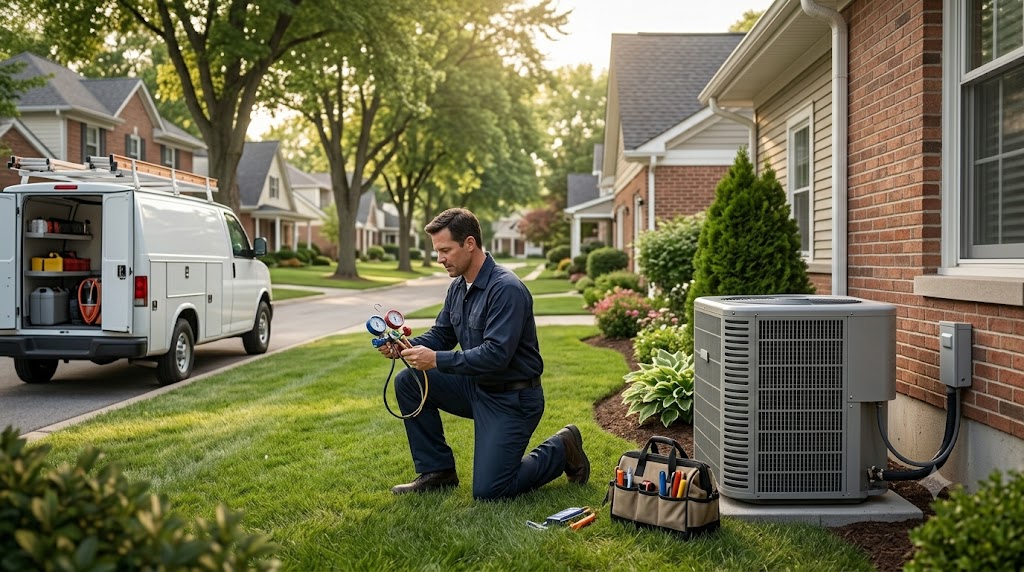
A professional HVAC system tune-up is far more thorough than a quick glance at your thermostat. When you schedule preventive HVAC maintenance with a qualified technician, you can expect a comprehensive, multi-point inspection that covers every critical component of your system.
Key Elements of a Professional HVAC Tune-Up
- Filter Inspection and Replacement Dirty filters are one of the leading causes of reduced efficiency and premature wear. Technicians check and replace filters to ensure optimal airflow and indoor air quality.
- Thermostat Calibration An improperly calibrated thermostat can cause your system to run longer than necessary, wasting energy and adding unnecessary strain.
- Refrigerant Level Checks For cooling systems, technicians verify refrigerant levels are within manufacturer specifications, checking for leaks that could damage the compressor.
- Electrical Component Testing Loose wiring, worn contactors, and failing capacitors are inspected and tightened or replaced as needed, reducing the risk of unexpected shutdowns.
- Condenser and Evaporator Coil Cleaning Dirt and debris buildup on coils reduces heat transfer efficiency, forcing the system to consume more energy to achieve the same comfort level.
- Ductwork Inspection Leaky or blocked ducts can silently waste 20-30% of conditioned air, driving up utility bills and reducing comfort.
- Lubrication of Moving Parts Motors, bearings, and other moving components are lubricated to reduce friction and extend equipment lifespan.
- Safety Controls Testing Technicians verify that safety switches and shutoffs are functioning correctly, protecting your home from potential hazards.
- Condensate Drain Line Cleaning Clogged drain lines can cause water damage and create an environment for mold growth if left unchecked.
Each of these steps plays a role in the overall performance and longevity of your system. When performed consistently, they form a powerful defense against the type of gradual deterioration that leads to catastrophic — and expensive — failures.
The Real Cost of Skipping HVAC Maintenance
It’s easy to view HVAC maintenance services as an optional expense, especially when your system seems to be running fine. But the financial reality tells a different story. Skipping routine maintenance doesn’t eliminate costs — it simply defers them, often multiplying them in the process.
Higher Energy Bills
A neglected HVAC system loses efficiency gradually. Dirty coils, clogged filters, and low refrigerant all force your unit to work harder to produce the same level of comfort. Over time, this translates directly into higher monthly utility bills — money that’s essentially being wasted due to inefficiency.
Shortened Equipment Lifespan
HVAC systems are a significant investment, often costing thousands of dollars to install. Without regular care, the components inside wear down faster, cutting years off the expected lifespan of the unit. Instead of enjoying 15-20 years of reliable service, homeowners may find themselves needing a full replacement in half that time.
Expensive Emergency Repairs
When small issues are left unaddressed, they compound. A minor refrigerant leak that could have been fixed for a modest fee can eventually lead to compressor failure — one of the most expensive HVAC repairs, sometimes costing more than half the price of a brand-new system. Emergency repairs also tend to come with premium pricing, especially if they happen during peak season when demand for technicians is highest.
Voided Manufacturer Warranties
Many HVAC manufacturers require proof of regular maintenance to keep warranties valid. Skipping scheduled service could mean losing coverage entirely, leaving you to pay full price for repairs or replacement parts that would have otherwise been covered.
Poor Indoor Air Quality
Beyond mechanical issues, neglected systems can also compromise the air you breathe. Dirty filters and ductwork allow dust, allergens, and even mold spores to circulate throughout your home, potentially affecting the health and comfort of your family.
The Financial Case for Preventive HVAC Maintenance
When you add up the potential costs of neglect — higher energy bills, shortened equipment life, emergency repair fees, voided warranties, and health-related concerns — the value of preventive HVAC maintenance becomes clear. A routine HVAC system tune-up typically costs a fraction of what a single emergency repair might run, and it pays for itself many times over through improved efficiency and extended equipment life.
Think of it like changing the oil in your car. Skipping oil changes doesn’t save you money in the long run — it accelerates engine wear and eventually leads to far more expensive repairs. HVAC systems work the same way. A small, consistent investment in maintenance protects a much larger investment in equipment.
Signs Your HVAC System Needs Attention Now
While scheduled maintenance is the best way to stay ahead of problems, it’s also important to recognize warning signs that indicate your system needs immediate attention:
- Unusual noises – Banging, rattling, or squealing sounds often indicate a mechanical issue.
- Inconsistent temperatures – Uneven heating or cooling throughout your home can signal airflow or ductwork problems.
- Rising energy bills – A sudden increase without a change in usage habits often points to declining efficiency.
- Unpleasant odors – Musty or burning smells can indicate mold growth or electrical issues.
- Frequent cycling – A system that turns on and off more often than usual may be struggling to maintain temperature.
- Excess humidity or dry air – Improper humidity control is often an early sign of system strain.
- Weak airflow – Reduced airflow from vents can point to duct blockages, a failing blower motor, or clogged filters.
If you notice any of these symptoms, it’s best to schedule a professional inspection right away rather than waiting for your next scheduled tune-up.
How Often Should You Schedule HVAC Maintenance?
Most HVAC professionals recommend scheduling maintenance at least twice a year — once in the spring before cooling season begins, and once in the fall before heating season starts. This timing ensures your system is prepared to handle the demands of extreme temperatures when you need it most.
For homes with older systems, higher usage patterns, or specific environmental factors like excessive dust or pets, more frequent check-ups may be beneficial. A trusted provider can help you determine the ideal maintenance schedule based on your system’s age, usage, and manufacturer recommendations.
Why Choose Home Pro for Your HVAC Maintenance Needs
At Home Pro, we understand that your HVAC system is one of the most important investments in your home. That’s why we’ve built our HVAC maintenance services around a simple philosophy: prevention is always better — and cheaper — than repair.
Our certified technicians bring years of hands-on experience to every appointment, performing comprehensive, multi-point inspections designed to catch issues before they escalate. When you choose Home Pro for your HVAC system tune-up, you’re not just scheduling a quick once-over — you’re investing in a thorough, detail-oriented service designed to extend the life of your equipment and protect your budget.
Here’s what sets Home Pro apart:
- Transparent, upfront pricing – No hidden fees or surprise charges.
- Certified, background-checked technicians – Skilled professionals who treat your home with respect.
- Flexible scheduling – Appointments that work around your busy life.
- Comprehensive service reports – Clear documentation of what was inspected, cleaned, and repaired.
- Proactive recommendations – Honest guidance on what your system needs, without unnecessary upselling.
Our goal isn’t just to fix problems when they arise — it’s to help you avoid them altogether through consistent, quality preventive HVAC maintenance.
The Long-Term Value of Consistency
One of the most overlooked benefits of regular HVAC maintenance is the peace of mind it provides. Knowing that your system has been thoroughly inspected and cared for means fewer surprises, more predictable comfort, and greater confidence in your home’s performance year-round.
Consistency also builds a valuable maintenance history. Technicians who service your system regularly become familiar with its quirks, age-related wear patterns, and specific needs — allowing them to catch subtle changes that a one-time inspection might miss. This ongoing relationship often leads to faster diagnostics and more accurate recommendations over time.
Conclusion
Regular HVAC service isn’t just a box to check off your home maintenance list — it’s one of the smartest financial decisions you can make as a homeowner. From lowering energy bills to extending equipment lifespan and avoiding costly emergency repairs, the benefits of preventive HVAC maintenance far outweigh the modest cost of routine service.
By scheduling consistent HVAC maintenance services and staying on top of seasonal tune-ups, you protect not just your system, but your comfort, your health, and your bottom line. Don’t wait for a breakdown to take action — the best time to invest in your HVAC system’s health is before problems arise.
Ready to protect your home comfort system and avoid unexpected repair costs? Contact Home Pro today to schedule your next HVAC system tune-up and experience the difference that proactive, professional maintenance can make.