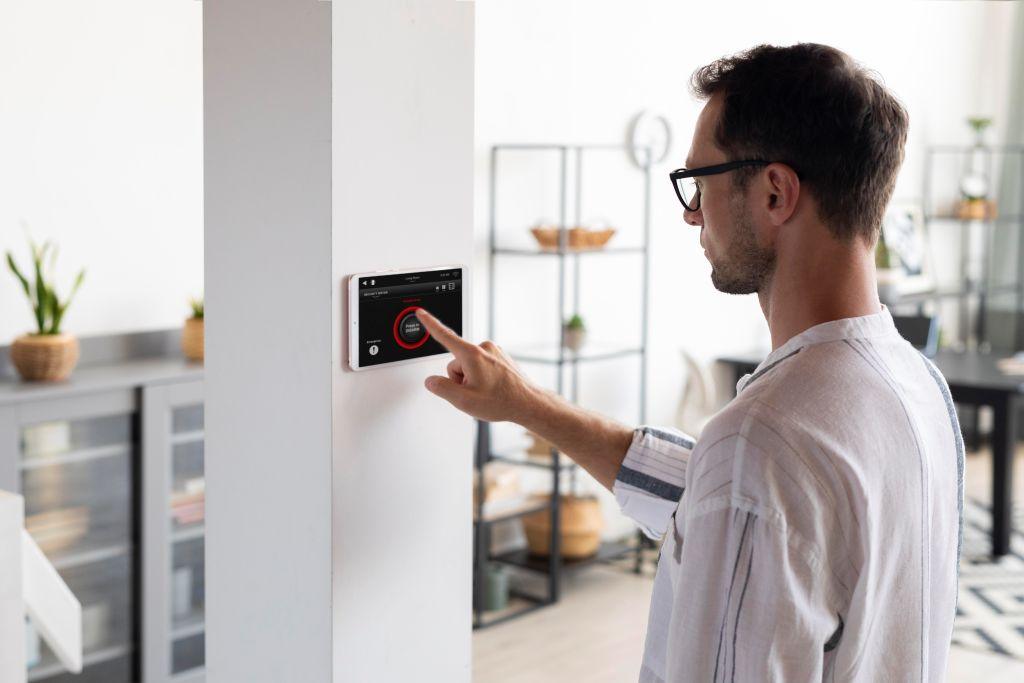
Smart thermostats get marketed heavily on energy savings, but the real answer is more specific than the ads suggest. A smart thermostat does not save energy by itself. It saves energy by making it easier to do the things that already save energy: not heating or cooling an empty house, and not overshooting the temperature you actually need.
For homeowners in the Portland Metro Area deciding whether the upgrade is worth it, here is what actually drives the savings, and a few things to know if your home runs on a heat pump specifically.
Quick Take
- Smart thermostats save energy mainly through scheduling and away detection, not through some hidden efficiency advantage in the hardware itself.
- Homes with a heat pump need a thermostat that supports heat pump specific features, since aggressive setbacks can trigger inefficient auxiliary heat.
- The savings are real but vary widely by household, since they depend on how inconsistent your manual thermostat habits were before switching.
Where the Savings Actually Come From
A smart thermostat’s main advantage is that it automates behavior that saves energy but is easy to forget manually: lowering the temperature when nobody is home, adjusting based on actual occupancy patterns rather than a fixed schedule, and avoiding the common habit of cranking the temperature up or down more than necessary to feel a difference faster.
If you already used a programmable thermostat with a consistent schedule and stuck to it, the jump to a smart thermostat saves less than the marketing implies. If your household previously ran the system on a single set temperature all day regardless of occupancy, the savings tend to be more noticeable.
Smart Thermostats and Heat Pumps: What to Know
This is where Portland Metro homeowners with a heat pump need to pay closer attention. Many heat pump systems include auxiliary or backup heat, usually electric resistance heat, that kicks in during large or aggressive temperature setbacks because the heat pump alone cannot recover the temperature fast enough.
A standard smart thermostat that is not heat pump aware can trigger this backup heat more often than necessary, which can actually increase energy use rather than reduce it. Choosing a thermostat with explicit heat pump support, and setting more modest setbacks rather than large swings, avoids this problem. If you are not sure whether your current system is compatible, our Heating Services team can check your heat pump’s specifications before you buy a thermostat that does not actually fit it.
Features That Matter Most for Savings
| Feature | How It Helps |
|---|---|
| Occupancy or geofencing detection | Adjusts temperature automatically when the home is empty |
| Learning schedules | Builds a schedule from actual usage patterns instead of a fixed manual one |
| Heat pump aware controls | Avoids triggering inefficient backup heat during normal operation |
| Energy usage reports | Shows where and when energy is actually being used, which helps identify further savings |
Is a Smart Thermostat Worth It?
For most households, yes, though the size of the benefit depends on your prior habits. A smart thermostat pays for itself faster in a home where the system previously ran on a fixed setting around the clock, and more slowly in a home that already used a consistent programmable schedule.
The bigger consideration for a heat pump home is compatibility rather than cost. Confirming the thermostat properly supports your specific heat pump setup matters more to the outcome than which brand or feature list looks the most impressive.
Common Setup Mistakes That Erase the Savings
A surprising amount of the disappointment homeowners report with smart thermostats comes down to setup, not the device itself. Leaving the factory default schedule in place instead of letting the thermostat learn actual household patterns means it never adapts to how the home is really used. Setting aggressive away temperatures on a heat pump system without confirming heat pump support is another common one, since that is exactly the scenario that triggers backup electric heat and can raise a bill instead of lowering it.
A less obvious mistake is placement: a thermostat mounted near a supply vent, a window, or direct sunlight reads the local temperature rather than the room’s actual temperature, which causes the system to run longer or shorter than it should regardless of how smart the scheduling logic is.
Pairing a Smart Thermostat With the Rest of Your System
A smart thermostat only saves what your equipment lets it save. A heat pump or furnace that is overdue for maintenance, or an air conditioner that is short cycling, will waste energy no matter how good the scheduling is. Our Cooling Services and Heating Services teams can confirm your system is running efficiently before or after a thermostat upgrade, and our full HVAC Services lineup covers installation if you want the thermostat and a system check handled in the same visit.
Frequently Asked Questions
Do smart thermostats work with any heating system?
Most work with standard furnaces and central AC. Heat pump systems need a thermostat with explicit heat pump support to avoid unnecessarily triggering backup heat.
How much can a smart thermostat actually save?
It varies by household. The savings come mainly from automating scheduling and occupancy detection, so homes with previously inconsistent manual habits tend to see more benefit than homes that already used a strict programmable schedule.
Can a smart thermostat increase my energy use?
It can, specifically on a heat pump system if the thermostat is not heat pump aware and triggers backup electric heat too often during setbacks.
Do I need a professional to install a smart thermostat?
Many smart thermostats are designed for DIY installation, but confirming compatibility with your specific system, especially a heat pump, is worth checking before you buy.
Ready to Get Started?
Not sure which smart thermostat fits your system, especially with a heat pump? HomePro Heating and Air can help you choose one that actually fits. Schedule a consultation. Contact Us