Few parts of a home get as little attention as the ducts. They run through walls, attics and crawl spaces, and you only notice them when something goes wrong. That makes it easy to wonder whether they need cleaning, and how often.
There is no single schedule that fits every home. This guide explains what the guidance says, which situations make cleaning more likely to help, and what a reasonable cleaning visit looks like so you can spot an unnecessary upsell.
Quick Take
- There is no fixed schedule. The EPA says ducts should be cleaned as needed, not on a calendar.
- Many homes go several years between cleanings. Signs such as visible debris, pests, mold or a recent renovation are better triggers.
What the Guidance Says About Duct Cleaning Frequency
The EPA does not recommend routine duct cleaning. Its guidance is that ducts should be cleaned when there is a reason, such as visible mold growth, pests or heavy debris, rather than on a fixed timetable. Some industry groups suggest an interval of every three to five years as a general rule of thumb.
In practice, the right interval depends on your home. A newer home with few pets and good filtration may go much longer than an older home with several dogs, a fireplace and a recent remodel. The sections below help you decide where you fall.
Signs It Is Time to Look at Your Ducts
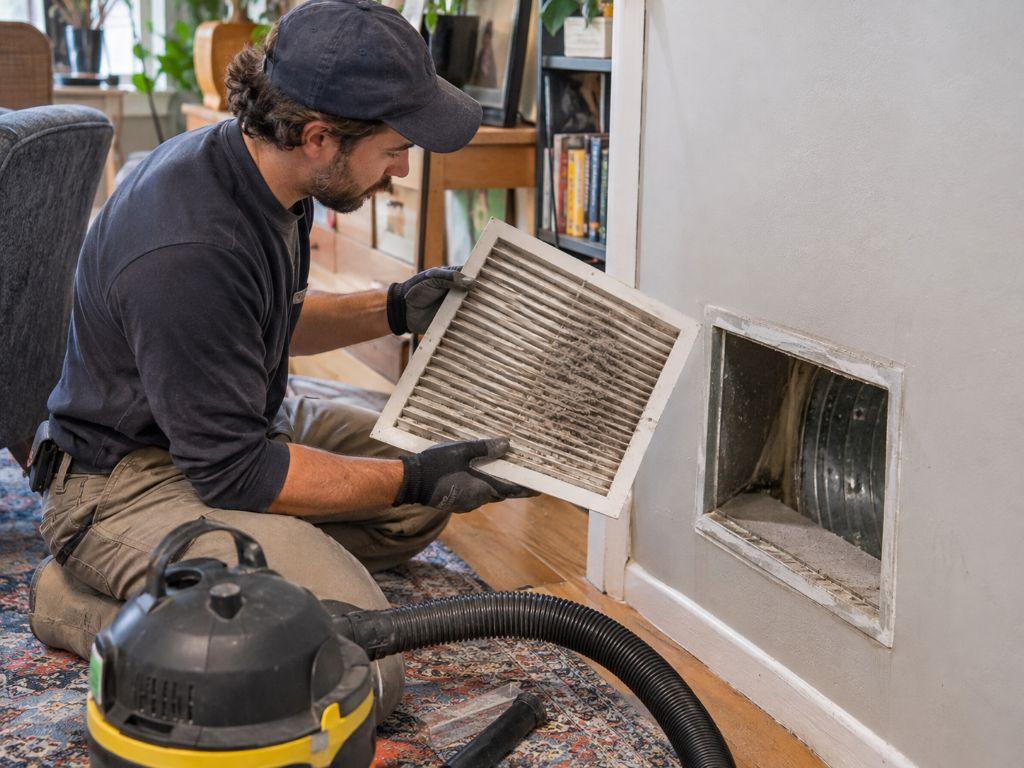
- Visible dust or debris at the vents. If you see buildup around registers or dust blowing out when the system starts, have the ducts inspected.
- A musty smell when the system runs. Moisture or debris in the ductwork can cause odors.
- Signs of pests. Droppings, nesting material or chewed insulation near the ducts.
- Visible mold. If you see it on the inside of a register or in an accessible duct, stop and have it checked. Mold needs the cause fixed, not just a cleaning.
- Dust that returns quickly after you clean. This can point to a duct leak, not a dirty duct.
Situations That Make Cleaning More Likely to Help
Some situations add enough debris or moisture that a cleaning is worth considering sooner. The table shows common ones and a sensible response.
| Situation | Suggested approach |
|---|---|
| Recent renovation or construction | Have the ducts inspected. Drywall dust and debris often enter the system. |
| Several pets or heavy shedding | Inspect more often. Hair and dander can collect at returns. |
| Water damage or a past leak near the ducts | Inspect right away and fix the moisture source first. |
| Recently bought an older home | Get an inspection to learn the condition before you decide. |
| Pests found in the attic or crawl space | Inspect the ducts and repair any damage before cleaning. |
| Newer home, good filtration, no visible problems | Cleaning is usually not needed. Keep up with filter changes. |
What a Reasonable Cleaning Visit Looks Like
A good provider starts with an inspection, shows you what they find, and explains the scope before any work begins. You should receive a clear estimate. Be cautious about anyone who quotes a price over the phone without seeing the system, pressures you to decide on the spot, or offers dramatic claims about health benefits.
- Inspection first. They look at the ducts, returns and registers and tell you what is there.
- A clear scope. You know which parts of the system are included.
- A written estimate before work starts.
- An honest answer if the ducts do not need cleaning.
What Cleaning Will Not Fix
Cleaning removes loose debris. It does not repair leaks, torn sections or poor design. If the ducts leak, dust will come back and conditioned air is still lost before it reaches the rooms. A technician can inspect your ductwork and tell you whether the real fix is repair, sealing or replacement.
If you are replacing equipment, it is worth having the ducts checked at the same time so the new system works with the existing layout. Our cooling services team can look at both together.
Duct Cleaning Myths to Watch For
Duct cleaning attracts a lot of marketing, and some of it goes further than the evidence. One common claim is that cleaning ducts will cure allergies or make you healthier. The EPA states that there is no conclusive evidence that routine cleaning prevents health problems, so be careful with any provider who promises specific health results.
Another myth is that dust in the house means dirty ducts. Most household dust comes from fabrics, skin, pets and outdoor air, and it settles whether or not the ducts are clean. A third myth is that more frequent cleaning is always better. Cleaning that is not needed costs money and, if done badly, can damage ducts or spread debris.
Questions to Ask Before You Book
Before you agree to any cleaning, ask the provider what they will inspect, how they will clean the system, and how they protect the ducts and the equipment during the work. Ask whether they will show you the problem before and after, and whether the price is a clear total or a per-vent number that can grow.
A provider who explains the plan, answers questions directly and is willing to tell you when cleaning is not needed is a good sign. A provider who insists on cleaning every home on a schedule is not working in your interest.
Duct Cleaning vs. Duct Repair vs. Duct Sealing
These three services are often mixed up, but they solve different problems. Cleaning removes loose dust and debris from inside the ducts. Repair fixes damaged, crushed or disconnected sections. Sealing closes small gaps and seams so conditioned air stays inside the system instead of leaking into attics and crawl spaces.
If your goal is better airflow, lower energy waste or more even temperatures, repair and sealing usually matter more than cleaning. If your goal is to remove visible debris after a renovation or a pest problem, cleaning may be the right first step. An inspection will show which of the three your system actually needs.
How to Keep Ducts Cleaner Between Visits
- Change the filter on schedule. It is the cheapest protection the system has.
- Vacuum the registers and the area around returns.
- Keep the system running with the access panels closed so dust does not enter from the equipment area.
- Seal obvious gaps and fix leaks that pull attic or crawl space air into the system.
- Improve filtration if needed. Upgraded filters and other indoor air quality equipment can reduce what reaches the ducts.
These habits often delay or remove the need for a cleaning, and they cost far less than the cleaning itself.
Frequently Asked Questions
How often should air ducts be cleaned in a house?
There is no fixed schedule. The EPA says to clean ducts as needed, and some industry groups suggest every three to five years as a general guide. Your home, pets and recent work all change the answer.
Is air duct cleaning necessary?
Not always. If the ducts are clean, tight and free of mold and pests, cleaning is usually not needed. An inspection will tell you.
How do I know if my ducts are dirty?
Look for debris at the vents, a musty smell, pests or dust that returns quickly. A technician can inspect the ducts and show you what is there.
Will duct cleaning lower my energy bills?
Not by itself. Leaky or damaged ducts waste energy, and cleaning does not repair them. An inspection can show whether sealing or repair would help more.
Should I clean ducts after a renovation?
It is a good time to have them inspected, because construction dust and debris often enter the system.
Ready to Get Started?
If you are not sure whether your ducts need attention, HomePro Heating & Air can inspect them and give you a clear estimate before any work begins. Contact Us