
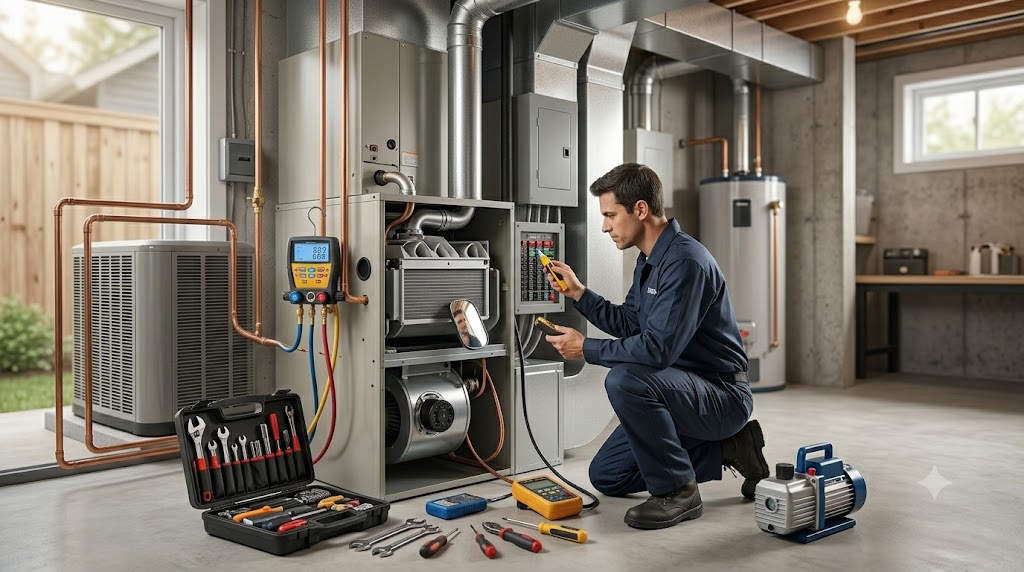
Scheduling a professional HVAC service appointment can feel like a mystery if you’ve never gone through the process before. What exactly does the technician do? How long will it take? Will they tear apart your ductwork or just glance at your thermostat and leave? At Home Pro, we believe informed customers make better decisions about their home comfort systems, which is why we’ve put together this comprehensive guide to walk you through exactly what happens during a typical service visit.
Whether you’re booking routine maintenance, addressing a sudden breakdown, or simply curious about what your technician is doing behind the scenes, this article covers everything from the moment you schedule your appointment to the final walkthrough before your technician leaves. Understanding the process not only sets realistic expectations but also helps you get more value from every visit.
Why Professional HVAC Service Matters
Your heating and cooling system is one of the hardest-working components of your home. It runs for hours every day, cycling air, regulating humidity, and maintaining the temperature you and your family depend on for comfort. Like any complex mechanical system, it requires regular attention to function efficiently and reliably.
Skipping professional HVAC service is a bit like never changing the oil in your car — the system might keep running for a while, but small issues compound over time, eventually leading to expensive breakdowns, higher energy bills, and a shorter equipment lifespan. Routine visits from a qualified technician catch these problems early, often before you even notice a change in performance.
At Home Pro, we’ve found that homeowners who invest in regular heating and cooling system maintenance typically save significantly on energy costs and avoid the majority of emergency repair calls. A well-maintained system simply works better, and understanding the service process helps you recognize the value in every appointment.
Before the Technician Arrives
A quality service experience starts before your technician ever knocks on your door. Reputable HVAC companies, including Home Pro, typically confirm your appointment window in advance and provide a notification when the technician is en route. This transparency helps you plan your day and ensures someone is available to grant access to your home.
What You Can Do to Prepare
There are a few simple steps that can make your service visit go more smoothly:
- Clear access to your indoor unit. Make sure the area around your furnace, air handler, or indoor unit is free of boxes, furniture, or clutter.
- Ensure outdoor unit accessibility. If you have a central air conditioning system, trim back any plants or debris around the outdoor condenser unit.
- Secure pets. Technicians appreciate a heads-up if you have pets in the home, both for the animal’s comfort and the technician’s safety.
- Have your system history handy. If you’ve had previous repairs or know the age of your equipment, sharing this information helps the technician understand your system’s background.
- Write down any concerns. If you’ve noticed strange noises, inconsistent temperatures, or unusual smells, jot these down so you don’t forget to mention them.
Taking these small steps ensures the technician can dive straight into the work rather than spending valuable time navigating obstacles.
The Initial Consultation
When your Home Pro technician arrives, the visit typically begins with a brief conversation. This is your opportunity to describe any issues you’ve experienced, ask questions, and share relevant details about your system’s history. A good technician listens carefully here because these details often point toward the root cause of a problem long before any tools come out.
During this initial discussion, expect questions such as:
- When was the system last serviced?
- Have you noticed any changes in airflow, temperature consistency, or noise levels?
- Are there specific rooms that feel warmer or cooler than others?
- Has your energy bill changed recently?
- Are there any unusual odors when the system runs?
This conversation sets the stage for a more targeted inspection, ensuring the technician knows exactly where to focus their attention.
The Comprehensive HVAC Inspection Checklist
This is the heart of any professional service visit. A thorough HVAC inspection checklist covers dozens of components across your entire system, and understanding what’s involved helps you appreciate the depth of a proper service call.
1. Thermostat Calibration and Testing
The technician will verify that your thermostat is communicating accurately with your system. This includes checking calibration, testing programmable settings, and confirming that the temperature displayed matches the actual conditions in your home.
2. Air Filter Inspection and Replacement
A clogged air filter is one of the most common culprits behind poor system performance. Technicians check filter condition and typically replace it if needed, since a dirty filter restricts airflow and forces your system to work harder than necessary.
3. Electrical Component Check
Loose connections, worn wiring, and failing capacitors are inspected closely. Electrical issues are a leading cause of unexpected breakdowns, so this step is critical for preventing future service calls.
4. Refrigerant Levels (For Cooling Systems)
For air conditioning units and heat pumps, technicians measure refrigerant levels and check for leaks. Improper refrigerant charge significantly reduces cooling efficiency and can damage the compressor over time.
5. Condensate Drain and Drain Pan
Blocked condensate drains can lead to water damage and mold growth. Technicians clear this line and inspect the drain pan for cracks or standing water.
6. Blower Motor and Components
The blower motor circulates air throughout your home. Technicians check for unusual noises, proper lubrication, and belt tension (if applicable) to ensure smooth, quiet operation.
7. Heat Exchanger Inspection (For Furnaces)
This is one of the most important safety checks in the entire visit. A cracked heat exchanger can allow carbon monoxide to leak into your home, so technicians examine this component carefully using specialized tools.
8. Ductwork Assessment
Leaky or poorly insulated ductwork wastes conditioned air before it ever reaches your living spaces. Technicians may check accessible ductwork for obvious gaps, disconnections, or insulation issues.
9. Outdoor Unit Cleaning and Inspection
For central air systems, the outdoor condenser unit gets a thorough once-over, including coil cleaning, fan inspection, and clearing of debris that may be restricting airflow.
10. Safety Controls Testing
Every system includes safety switches and controls designed to shut down equipment under unsafe conditions. Technicians test these to confirm they’re functioning correctly.
11. Overall System Performance Test
After completing individual component checks, the technician runs the system through a full cycle, monitoring startup, operation, and shutdown to confirm everything works together as it should.
This level of detail is what separates a genuine professional visit from a quick surface-level glance. Each item on the checklist plays a role in your system’s overall safety, efficiency, and longevity.
Common Issues Technicians Discover
Even in homes where everything seems to be running fine, technicians frequently uncover issues that homeowners weren’t aware of. Some of the most common findings include:
- Dirty coils that reduce heat transfer efficiency
- Low refrigerant charge from small, gradual leaks
- Worn belts or bearings creating extra strain on the blower motor
- Thermostat miscalibration leading to inaccurate temperature readings
- Minor electrical wear that could eventually cause a failure
- Ductwork leaks silently increasing energy consumption
Identifying these issues early, before they escalate into major repairs, is one of the primary benefits of routine professional HVAC service. What might cost a small amount to correct during a scheduled visit could otherwise turn into a costly emergency repair down the road.
What Happens If a Repair Is Needed
If your technician identifies a problem during the inspection, the process doesn’t end there. A trustworthy HVAC provider will explain the issue in plain language, discuss your repair options, and provide transparent pricing before any additional work begins.
At Home Pro, our technicians walk you through:
- What the problem is and how it’s affecting your system
- Why it matters, including any safety or efficiency implications
- What the repair involves, including parts and estimated time
- Cost transparency, so there are no surprises on your invoice
You should never feel pressured into a repair on the spot. A reputable technician gives you the information needed to make an informed decision, whether that means proceeding immediately, scheduling a follow-up visit, or exploring replacement options for an aging system.
The Final Walkthrough
Once the inspection and any necessary work is complete, your technician should walk you through what was done. This typically includes:
- A summary of everything checked and any components serviced or replaced
- Recommendations for future maintenance or upgrades
- An explanation of any parts nearing the end of their useful life
- Tips for maintaining your system between professional visits
- A copy of the service report for your records
This final conversation is valuable because it gives you a clear picture of your system’s current condition and helps you plan for the future, whether that means budgeting for a repair or simply knowing when to schedule your next appointment.
How Often Should You Schedule HVAC Service?
Most manufacturers and industry professionals recommend heating and cooling system maintenance at least twice a year — once in the spring to prepare your air conditioning system for summer, and once in the fall to ready your furnace or heat pump for winter. This biannual schedule ensures both major functions of your system receive dedicated attention before the season when you’ll rely on them most.
Homes with older systems, pets, or households sensitive to air quality may benefit from more frequent check-ins. Your technician can help you determine the right maintenance frequency based on your specific system, usage patterns, and household needs.
The Long-Term Benefits of Routine Service
Investing in regular professional visits pays off in several tangible ways:
Lower energy bills. A well-maintained system operates more efficiently, using less energy to achieve the same comfort level.
Extended equipment lifespan. Routine care reduces wear and tear, helping your system last years longer than one that’s neglected.
Fewer emergency repairs. Catching small issues early prevents them from becoming major, inconvenient breakdowns.
Improved indoor air quality. Clean filters, coils, and ductwork mean better air circulating through your home.
Maintained manufacturer warranties. Many warranties require documented professional maintenance to remain valid, protecting your investment if a major component fails.
Consistent comfort. A properly functioning system maintains steady temperatures throughout your home, without the hot and cold spots that come with a struggling unit.
Choosing the Right HVAC Provider
Not all service visits are created equal. When selecting a provider for your professional HVAC service needs, look for a few key indicators of quality:
- Licensed and insured technicians
- Transparent, upfront pricing
- A detailed, documented inspection process
- Clear communication throughout the visit
- Positive customer reviews and a solid local reputation
- Availability for follow-up questions or emergency service
At Home Pro, our technicians are trained to follow a rigorous inspection process, communicate clearly at every step, and treat your home with the respect it deserves. We believe every customer should walk away from a service visit with a better understanding of their system and confidence in the work performed.
Final Thoughts
A professional HVAC service visit is far more than a quick glance at your thermostat. It’s a comprehensive process involving dozens of checks across your entire system, designed to catch small issues before they become expensive problems. From the initial consultation through the final walkthrough, each step plays a role in keeping your home comfortable, your energy bills manageable, and your equipment running smoothly for years to come.
Understanding this process empowers you to ask better questions, recognize genuine value in the service you receive, and make informed decisions about repairs or upgrades when they arise. Whether it’s your first appointment or your tenth, knowing what to expect turns an unfamiliar process into a straightforward, reassuring experience.
If it’s been a while since your last checkup, now is a great time to schedule your next appointment. Home Pro is ready to help keep your heating and cooling system running at its best, season after season.